Accessibility is no longer optional it is a fundamental requirement in modern infrastructure. From metro stations and airports to hospitals, malls, and government buildings, ensuring safe navigation for visually impaired individuals is essential. One of the most effective solutions to achieve this is the use of SS tactile indicators.
SS tactile (stainless steel tactile indicators) play a critical role in guiding visually impaired users safely through public and commercial spaces. However, choosing the right SS tactile for accessibility projects in India requires careful consideration of design, material quality, standards compliance, and installation methods.
What is SS Tactile?
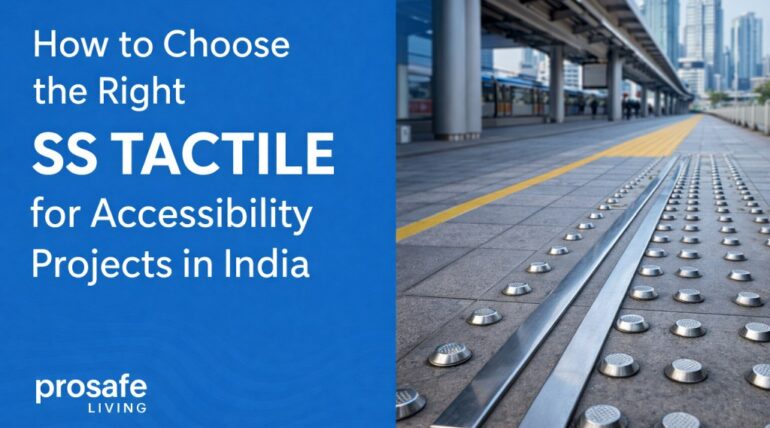
SS tactile indicators are stainless steel floor markers designed to assist visually impaired individuals by providing tactile cues underfoot or through a cane. These indicators alert users to:
- Directional pathways
- Hazards
- Staircases
- Platform edges
- Entry and exit points
Unlike plastic or rubber alternatives, SS tactile indicators are known for their strength, durability, slip resistance, and premium finish, making them ideal for high-traffic areas.
Why SS Tactile is important for Accessibility Projects in India
India’s push toward inclusive infrastructure, smart cities, and universal accessibility has increased the demand for reliable tactile solutions. SS tactile indicators are widely used because they:
- Improve safety for visually impaired users
- Reduce accidents and liability risks
- Enhance compliance with accessibility guidelines
- Blend functionality with modern aesthetics
- Perform well in India’s diverse climate conditions
For government tenders and large-scale projects, SS tactile indicators are often the preferred choice due to their long lifespan and minimal maintenance.
Key Factors to Consider When Choosing SS Tactile
1. Material Quality and Grade
Always select high-grade stainless steel that is:
- Corrosion-resistant
- Suitable for indoor and outdoor use
- Capable of withstanding heavy foot traffic
High-quality SS tactile indicators ensure long-term performance, especially in public infrastructure projects.
2. Type of SS Tactile Indicator
There are two primary types:
• SS Tactile Studs
- Used as warning indicators
- Installed near staircases, ramps, platform edges, and crossings
• SS Tactile Strips
- Used as directional indicators
- Guide users along walkways and corridors
Choosing the right combination of studs and strips is essential for effective navigation.
3. Slip Resistance and Safety
Safety is the core purpose of tactile indicators. Ensure the SS tactile:
- Has anti-slip surface design
- Performs well in wet conditions
- Is safe for barefoot and shoe use
This is especially important in hospitals, wash areas, and outdoor environments.
4. Compliance with Accessibility Standards
SS tactile indicators should comply with recognized accessibility guidelines such as:
- Harmonized Guidelines & Standards for Universal Accessibility (India)
- CPWD and government project requirements
- International accessibility best practices
Compliance ensures approval in audits, tenders, and inspections.
5. Installation Method
The right installation method ensures stability and longevity:
- Surface-mounted (screw-fixed): Ideal for retrofitting existing floors
- Adhesive-fixed: Suitable for interiors with smooth flooring
- Embedded installation: Best for new construction projects
Professional installation is recommended to ensure proper alignment and spacing.
6. Location and Application Area
Consider where the SS tactile will be installed:
- Indoor vs outdoor spaces
- High foot traffic vs controlled areas
- Commercial vs public infrastructure
Outdoor applications require higher resistance to weather and wear.
7. Visual Contrast and Design
While tactile indicators are primarily felt underfoot, visual contrast helps users with partial vision. Choose SS tactile designs that:
- Contrast well with floor surfaces
- Maintain aesthetic harmony with modern architecture
Where SS Tactile Indicators are Commonly Used
SS tactile indicators are widely used in:
- Airports and metro stations
- Hospitals and healthcare facilities
- Shopping malls and commercial complexes
- Government buildings and public offices
- Educational institutions
- Smart city infrastructure projects
Why Choose Prosafe Living SS Tactile Indicators
Prosafe Living is a trusted name in accessible and assistive living solutions in India. Our SS tactile indicators are designed to meet the needs of both users and project planners.
Our Key Advantages
- High-quality stainless steel construction
- Slip-resistant and weather-resistant design
- Suitable for indoor and outdoor use
- Professional installation support
- Trusted by architects, contractors, and government projects
Installation & Maintenance Tips
- Ensure correct spacing and alignment during installation
- Clean surfaces thoroughly before fixing
- Use professional installers for large projects
- Clean regularly with mild detergents
- Avoid harsh chemicals that may damage finish
Proper maintenance ensures long-term performance and safety.
Conclusion
Choosing the right SS tactile indicators is a crucial step toward building inclusive, safe, and compliant spaces in India. From material quality and slip resistance to standards compliance and installation methods, every detail matters.
At Prosafe Living, we are committed to creating environments that empower independence and dignity for all. Whether you’re planning a government project, commercial building, or public infrastructure upgrade, our SS tactile solutions deliver safety, durability, and peace of mind.